The FDA says ready-to-eat cheese from La Pradera's Doral plant was made in insanitary conditions. What inspectors found, which cheeses and what happens next.
The U.S. Food and Drug Administration has warned a Doral cheese maker that its ready-to-eat cheeses were made in insanitary conditions. Inspectors found live flies on cheese and cockroaches on the equipment, the agency said.
The warning letter went to Tipical Latin Food Corp., which does business as La Pradera, at 1375 NW 97th Ave. in Doral. It is dated Aug. 28 and was sent by the FDA’s Office of Enforcement. The agency has now published it.
The FDA concluded that the plant’s ready-to-eat cheese is “adulterated” under federal food law, because it was “prepared, packed, or held under insanitary conditions” where it may have become contaminated with filth. The letter does not report any lab test finding bacteria in the cheese, and it does not mention a recall.
Which products
The plant makes Venezuelan-style fresh cheeses and cachapas, the corn pancakes they are often served with. The letter names these cheeses:
- queso de mano
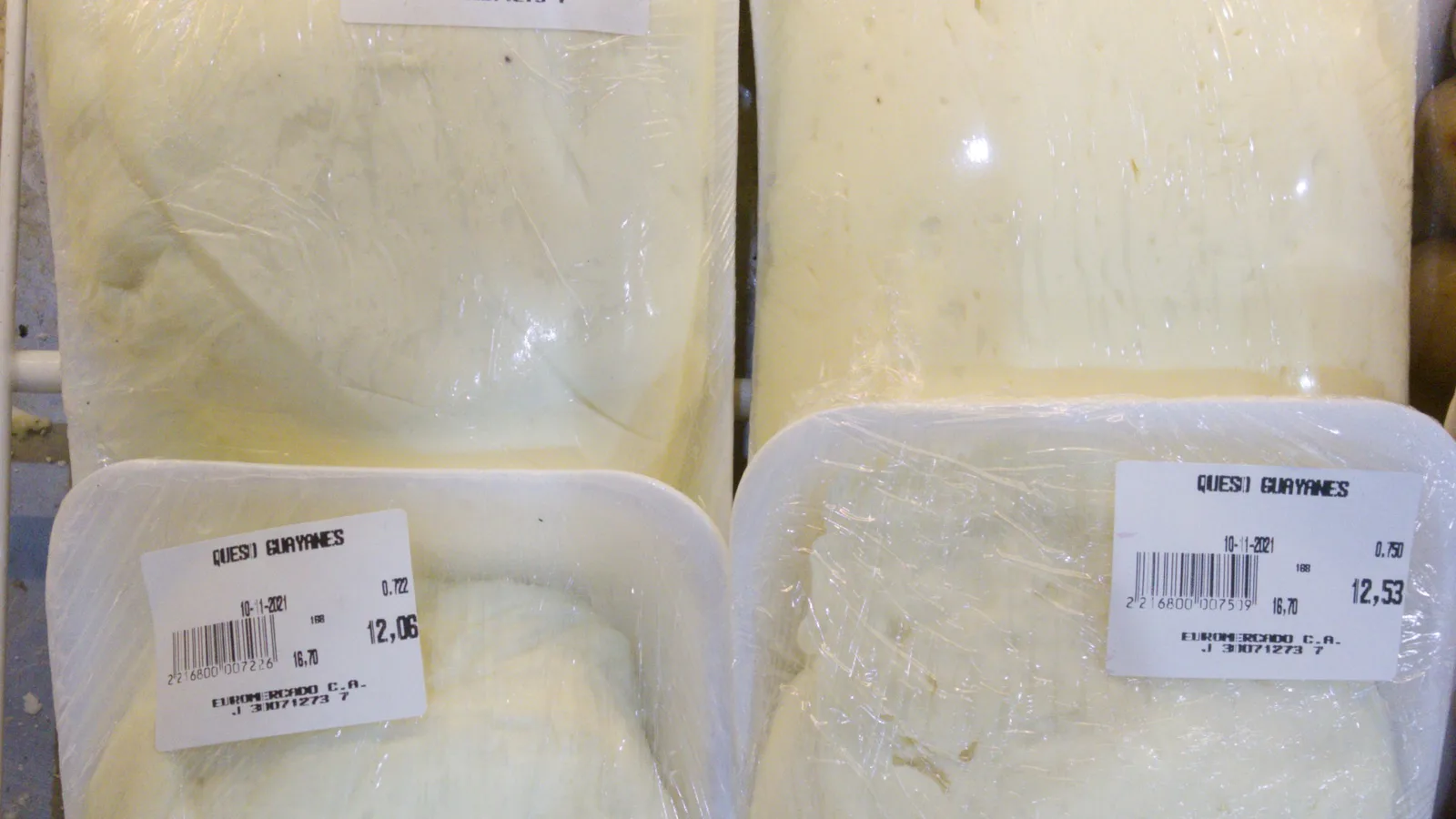
- queso guayanés
- queso estilo telita
The violations the FDA lists concern the ready-to-eat cheeses.
What inspectors found
FDA investigators inspected the plant from April 20 to April 27. The letter says they saw:
- live flies landing on ready-to-eat cheese and on food-contact surfaces, April 20 and 21
- about seven cockroaches on a box holding bags of cheese curds, April 21, with more on a mold tray, the molding machine and the floor
- a door left open to the outside on both days
- workers putting on gloves without washing their hands, then touching a dirty cart handle, their faces or soiled aprons and going back to handling cheese
- cheese residue on the screw blades of a molding machine that had been reported as cleaned
- black residue in rough welds and seams of the metal molds used for queso de mano
- a pitted, cracked processing room floor with standing water and cheese residue
The company also had no written food safety plan, the FDA said. Federal rules require one for most food plants. The letter says the firm had not identified the growth of bacteria such as Listeria as a hazard, and did not monitor the temperature of the walk-in cooler where cheese is kept overnight.
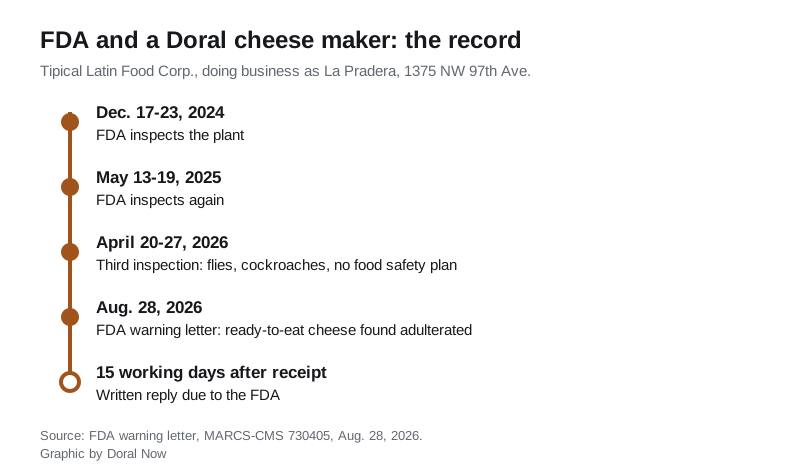
Several problems were not new. The FDA lists the missing food safety plan, the pests and the worn molds as repeat observations. The agency had inspected the same plant in December 2024 and May 2025, according to the letter.
What happens next
The FDA gave the company 15 working days from receipt to reply in writing. It asked for the steps taken to fix each problem and to stop them from happening again, with documents to show it. When the letter was written, the agency said it had not received a response to the inspection report its investigators left at the end of the April visit.
Failing to fix the problems “may result in legal action,” the letter says. That can include seizure of products, a court injunction or suspension of the plant’s food facility registration, which would stop it from selling food.
A warning letter is the FDA’s formal notice of what it found. It is not a court finding, and the company can dispute it. When the agency is satisfied that the problems are fixed, it can issue a close-out letter, which it also publishes. Doral Now will report the company’s response and any close-out letter.
What it means for you
- The FDA has not announced a recall of these cheeses, and the letter reports no illness.
- If you buy queso de mano, queso guayanés or telita, the brand on the label tells you who made it. The letter covers products from this one plant.
- Fresh, soft cheeses carry a higher risk of Listeria for pregnant women, people over 65 and people with weakened immune systems, the FDA advises.
- To report a problem with a food product, use the FDA’s complaint page.
Restaurants are inspected by the state, not the FDA. Our Doral restaurant inspection guide explains how to look up a score.
Have your say